in Boston & the North Shore MA
Leading across people, operations, and technology
My leadership journey began on stage and in local leadership. Today, I’m a senior corporate leader in technology and operations globally, with more than a decade of management experience across local and international teams.
My perspective
Local pastoral roots informing corporate experience
Early, high-visibility leadership roles in church communities meant developing people, operating under pressure, supporting volunteers, and working with limited resources. It fundamentally shaped the way I think about what works and what doesn’t.
That perspective carries into my corporate roles in technology and operations—across fast-moving, regulated industries and local and global teams. Different settings, connected by the same questions: what do people need, how does the work get done, and how can our systems support both?
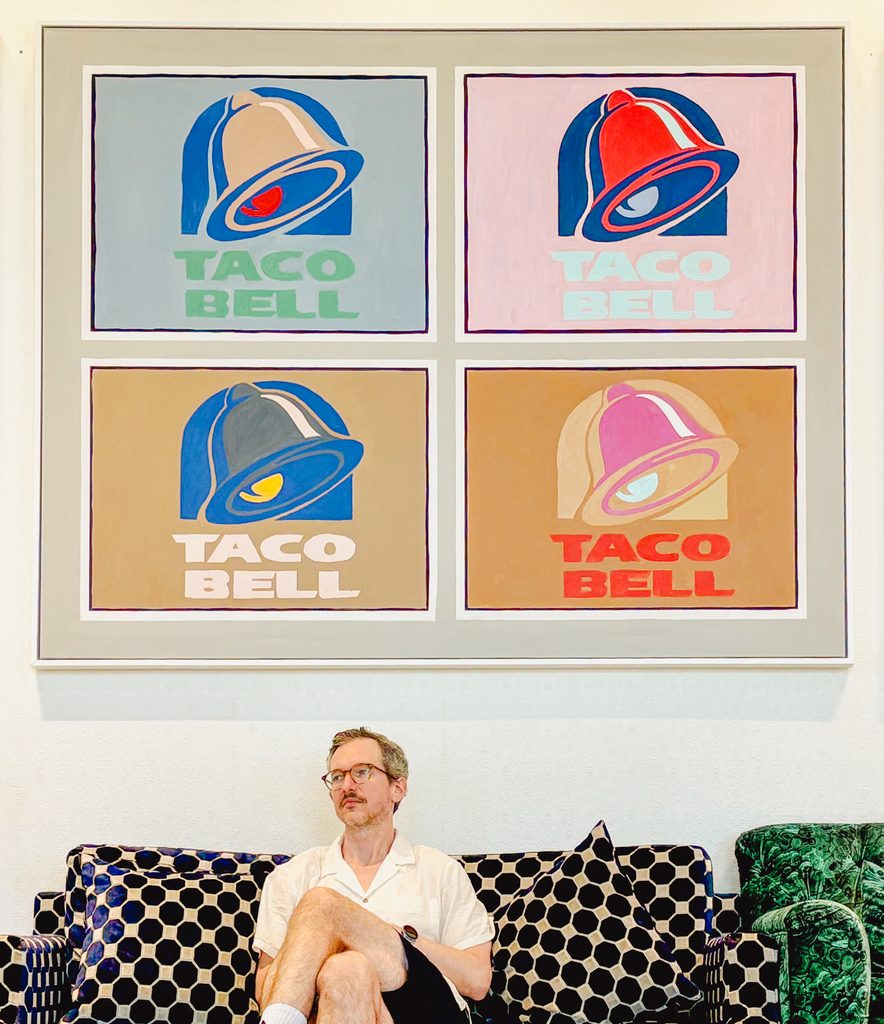
I also really love Taco Bell.
Selected experience
People, processes, and systems—in practice
01 /
Operations & organizational effectiveness
Whether a local volunteer-led organization or a for-profit corporation, it boils down to aligning your people, processes, and tools around the outcomes you’re working to achieve. It’s a continual journey, and you’ve got to bring your people with you on it.
Nine times out of ten, it’s possible to drive down costs while upgrading effectiveness, you’ve just got to know where to look.
When I was working in US Healthcare, we were early stages in a nation-wide EHR rollout and I was managing our site coordination and on-site implementation efforts.
When I started in the role, we were spending nearly two days on-site for hardware and software implementation alone, excluding clinician training, travel, and prep time. By the end of my tenure, we were down to 2-4 hours of work, which meant we could get it done in just one day and focus on making sure clinicians and local technicians could be properly trained.
02 /
Technology & systems (incl. AI)
Part of the improvement journey is taking advantage of those systems which serve your people. It’s not about being the flashiest, but finding the tools which free you and your team up to spend time on what matters most to your success.
I have never followed technology as a hobby. The reason I stay attuned is purely selfish – I want to be exposed early to things which can help me and my team achieve our goals.
Instead of giving you one more “we automated it” story, I’ll describe a different scenario: system bloat.
During a transition period, my team and I took on a breadth of responsibilities formerly belonging to another function. We quickly recognized there was a tool in place for everything, but instead of these tools making it easier to achieve our goals, it made things extremely complicated.
Over the course of the next month or two we took inventory of everything in place, clarified the outcomes we were looking to achieve, assessed systems on the market, and then made some decisions.
By going through this process, we were able to dramatically improve outcomes for our stakeholders while saving time for our team and tens of thousands of dollars per year.
03 /
People & leadership
People are people from the high rise to the steeple. Early I learned how to navigate high stress conflict, change management, leadership, and team building.
I’ve got a wealth of experience navigating periods of growth and heavy change, and have driven positive outcomes for my people.
I grew up a pastor’s kid. To some of you that means something, to a subset of those people it paints an accurate picture. What I’d say about it relative to this topic: you get a relatively raw view of what it means to be human – and myriad examples on how and how not to lead.
In one of my corporate positions, our company entered a period of rapid change, and it was clear our group would be impacted. Rather than obfuscate our situation, I approached every individual under my remit, walked through our challenge, and listened to their thoughts on next steps. This allowed everyone to invest in and feel part of our go-forward; they knew they had context and were heard.
As a result of this, we had one of the highest satisfaction rates in the organization and some of the lowest attrition during that time.
Connect
Meaningful relationships start with a simple connection
If something here resonates, I would love to hear from you. Let’s exchange perspectives. I’ve got plenty of stories, and I’d love to hear yours!